Grade I Heritage Walk: Walking to Mersham Le Hatch from The King’s Head — 4.0-Mile Circular via Mersham
Mersham Le Hatch — a Grade I listed building 4.0 miles from The King's Head, Wye.
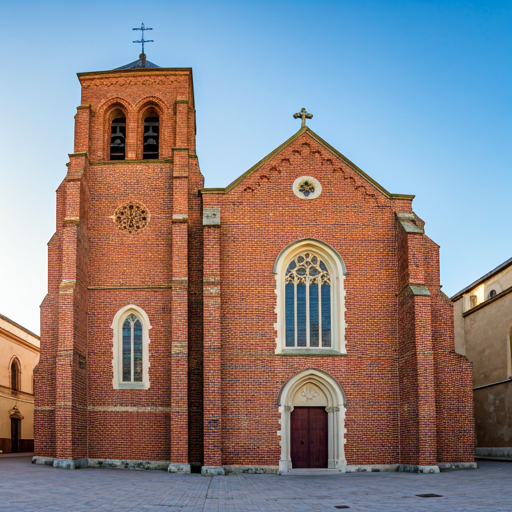
Mersham Le Hatch is a red brick in Mersham, 4.0 miles from The King’s Head. Historic England listed it in 1952.
Walking to Mersham Le Hatch — 4.0 miles from Wye
Rated Moderate at 4.0 miles with about 80m of ascent. Allow around 161 minutes at a steady 3 mph pace; add 15–20 minutes for photographs at the building and a pause at a viewpoint.
Why Mersham Le Hatch is Grade I listed — the 1952 designation
The building or site itself may lie within the boundary of more than one authority.
- Grade:
- I
- Listed:
- 1952
- Parish:
- Mersham
- District:
- Ashford
- Statutory address:
- Mersham Le Hatch, Hythe Road
- NHLE entry:
- 1233748 ↗
TR 04 SE MERSHAM HYTHE ROAD (north side) 4/134 Mersham-Le- Hatch 13.10.52 GV I Country house. 1762-1766 interiors completed 1772, altered 1827 and 1872. Robert Adam for Sir Wyndham (and Sir Edward) Knatchbull. Red brick with Portland stone dressings and slate roof. In plan a large rectangular block linked by narrow, straight balustraded corridors to rectangular flanking wings, with service court beyond to east (in Smeeth C.P.). Entrance front: central block of two storeys, basement and attic, with banded plinth with simple frieze and cornice parapet, with central projecting pediment. Hipped roof with 2 pedimented dormers (added 1827) and stacks to left and to right. Regular fenestration of 7 bays, the centre 3 projecting slightly below the pediment, glazing bar sashes in moulded surrounds throughout, double size to ground floor with cornices to left and right of doorcase. Double 3 panelled doors to centre with semi-circular fanlight in pedimented Tuscan surround. Flight of 9 moulded steps to central 3 bays, with wrought iron rails to side walls terminating in scrolled baluster-shaped lamp stands. Linking corridors to left and to right, 1 storey and basement, with banded plinth carried over from main block, and cornice to balustraded parapet. Single glazing bar sash to each flanked by semi-circular headed niches containing statues of the seasons (draped women). Two storey and basement end partitions with stone bands and cornice to pyramidal roofs, with pedimented dormers to left and right returns. Central stack. Three glazing bar sashes to each floor, Basement area over whole front with spear head rails. Garden front: “less of a Palladian cliche” (Newman). Because of the slope of the ground, this elevation has a full raised basement (ie. 3 storeyed main block). The main block projects strongly, 4 bays deep to left, 5 to right. Seven bay front, the central 3 in full height bow, the centre on 1st floor with pediment. Ground floor balustraded loggia with paired Tuscan columns added 1872 by J.P. St. Aubyn, with doubled panelled doors to centre. Corridors with 3 glazing bar sashes (2 to ground floor with doorway) and plain rectangular 3 bay end pavilion extended at both ends by storey height brick walls to service courtyards, the principal one to left, with large stacks and pyramidal roofed outhouses with louvred cupola and round headed windows, with arched entrances to main elevation. This portion of the house is actually in Smeeth parish and is cross-referenced in that parish. Interior: decorated 1766- 1772, the chimney pieces by Thomas Carter, (see Rupert Gunnis,) the plasterwork by Joseph Rose. Main entrance hall (plaster ceiling gone) with triglyph and metope cornice, double doors to staircase hall with semi-circular fanlight and fluted pilaster doorcase with frieze and cornice flanked by round headed niches. Large consoled fireplaces with pedimented tabernacles over with grisaille paintings of a Roman marriage and sacrifice by Zucchi. Typical Neo-classical frieze and cornice to fluted panelled doors (and curtain pelmets). Staircase: rising from basement to oval skylight in square well, with iron balustrade carried on large sunk-panelled piers on open string with Vitruvian scroll enrichment on tread ends, with ramped and moulded hand rail. Ionic loggias on the top landing. Simple geometric stair in side well, and turned baluster stairs in end pavilion. Dining room: with wooden fire surround, lugged with consoles, with niches continuing statuettes over dado panelling with fluted frieze. Hexagon-pattern frieze and cornice to ceiling with simple tripartite pattern with scalloped and palmette roses. Drawing room: more typically “Adam” in style, designed 1772, with bowed end wall. Ionic columned fireplace with reclining woman cornucopia and pyramid motifs on plaque. Grisaille medallions, swagged, on walls with modillion cornice and frieze with urns and gryphons. Ceiling with beamed compartments, scalloped ovals and circles and anthenion and palmette enrichment. Library: carved wooden fireplace with gryphon centre piece. Fitted shelving with brass attachments (wyverns, urns, etc.) and other Neo-classical enrichments. Egg and tongue cornice. Ceiling with single central palm rose. Basement entrance hall (below drawing room) to garden: dado rail, scroll cornice and stone beamed ceiling. Fine panelled doors with cornices and consoles throughout, even the upper domestic rooms with cornices and good fireplaces. Adam’s first completely new design after returning from Rome, but not much advanced on previous and after Palladian inspired designs (possibly because of the parsimony of Sit Wyndham and after 1763 Sir Edward Knatchbull), only the drawing room really recognisably in the Adam style. See B.O.E. Kent, 1983, 425-426). Listing NGR: TR0603240390
Listing metadata — from the National Heritage List for England
- NHLE entry number:
- 1233748
- Heritage Category / Grade:
- Listed Building, Grade I
- First listed:
- 1952
- Capture scale:
- 1:2500
- Grid reference (NGR):
- TR 06032 40390
- BNG Easting / Northing:
- 606,032 E / 140,390 N
- Coordinates (WGS84):
- 51.125726°N, 0.943005°E
- Parish:
- Mersham
- District:
- Ashford
- Kent Downs landscape zone:
- Brook and the Spring-Line Villages
- Distance to North Downs Way:
- 3.90 miles
- Distance from The King's Head:
- 4.02 miles
- Walk duration (round trip):
- 161 minutes
- Elevation gain:
- 80 m
- Difficulty rating:
- Moderate
Architectural features at Mersham Le Hatch
Keywords extracted from Historic England’s Official List Entry — each one is genuinely in the designation prose, not inferred.
Other Grade I walks in Mersham
| Listing | Grade | Parish | Distance from Wye |
|---|---|---|---|
| Grade I Heritage Walk: Walking to Mersham Manor from The King’s Head — 4.6-Mile Circular via Mersham | Grade | — | 4.6 miles |
| Grade I Heritage Walk: Walking to Church Of St John The Baptist from The King’s Head — 4.6-Mile Circular via Mersham | Grade | — | 4.6 miles |
Buildings listed in the 1950s near Wye
| Listing | Grade | Parish | Distance from Wye | Listed |
|---|---|---|---|---|
| Walking to Wye Bridge from The King’s Head — 0.4-Mile Easy Stroll via North Downs Way | Grade II* | Wye with Hinxhill | 0.4 miles | 1952 |
| Walking to Spring Grove And Walled Garden Attached from The King’s Head — 0.8-Mile Easy Stroll via North Downs Way | Grade II* | Wye with Hinxhill | 0.8 miles | 1952 |
| Grade I Heritage Walk: Walking to Church Of All Saints from The King’s Head — 1.6-Mile Easy Stroll via North Downs Way | Grade I | Boughton Aluph | 1.6 miles | 1957 |
| Walking to Boughton Court from The King’s Head — 1.6-Mile Easy Stroll via North Downs Way | Grade II* | Boughton Aluph | 1.6 miles | 1952 |
| Grade I Heritage Walk: Walking to Church Of St Mary from The King’s Head — 1.7-Mile Easy Stroll via Brook | Grade I | Brook | 1.7 miles | 1957 |
The landscape around Mersham Le Hatch — Brook and the Spring-Line Villages
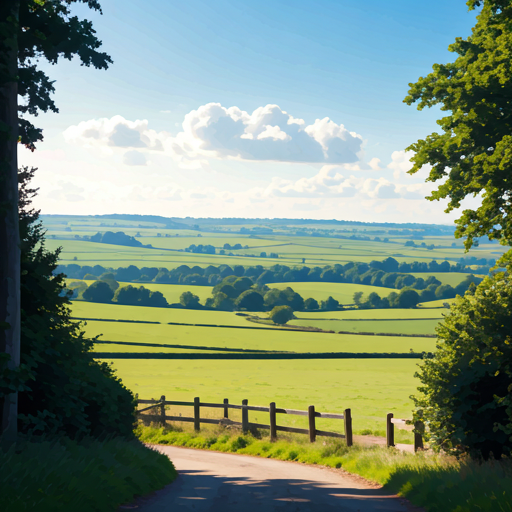
South of the North Downs escarpment, the land around Brook and the adjacent parishes is a quiet band of spring-line settlement where chalk meets gault clay. The villages grew where water came to the surface, and each church in this belt — many Grade I listed and of Norman or earlier origin — occupies one of those spring-heads. Between them the land is a patchwork of sheep pasture, small fields of winter cereals, and hedgerow-enclosed paddocks of yew, hawthorn and blackthorn. The combination of intact medieval churches, surviving ancient hedgerows, and the dramatic backdrop of the downs above is a landscape character that has scarcely changed in 400 years.
Pubs within 3 miles of Mersham Le Hatch
| Pub | Distance from route | Address | Postcode | Authority |
|---|---|---|---|---|
| The Honest Miller open_in_new | 2.0 miles | Brook, Ashford, TN25 5PF | TN25 5PF | Ashford |
Plan your visit
Every walk on this site starts and finishes at The King’s Head — Bridge Street, Wye, TN25 5EA.
Frequently asked about Mersham Le Hatch
How far is Mersham Le Hatch from The King's Head?
Which other Grade I walks are in Mersham?
Heritage data © Historic England NHLE · Trail & landscape data © Natural England (Open Government Licence) · Pub locations published under the Open Government Licence.